Emma Gurley
Emma Evans Gurley was born around 1870 in Tennessee during the period of Reconstruction, a time of great upheaval and transition for African Americans in the United States.


The Black Wall Street Chronicle










Emma Evans Gurley was born around 1870 in Tennessee during the period of Reconstruction, a time of great upheaval and transition for African Americans in the United States.

In 1916, Berry established a jitney service using his Model T Ford, providing affordable rides throughout Greenwood Avenue for a nickel.
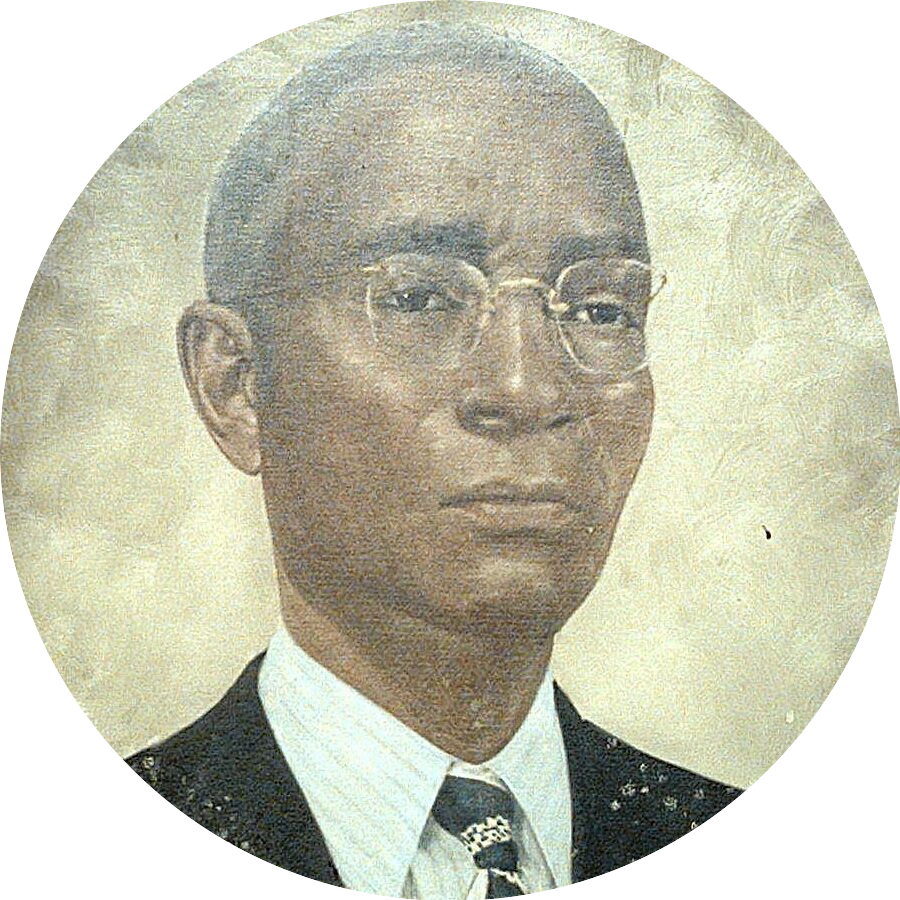
Buck Franklin (1879-1960) led an extraordinary life; from his youth in what was then Indian Territory to his practice of law in 20th-century Tulsa, he was witness to changes in politics, law and race relations which transformed the south-west.

Edward P. McCabe had personal ambitions tied into this endeavor, hoping that he would be appointed governor or secretary of the Oklahoma Territory.
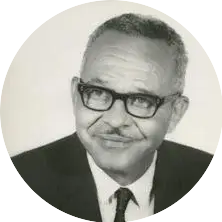
The influence of Coach Williams extends far beyond the confines of any single athletic season or championship. It resides in the subtle, often invisible ways that lives are shaped.

Otis Granville Clark was born on February 13, 1903, in Meridian, Oklahoma, just four years before Oklahoma achieved statehood.
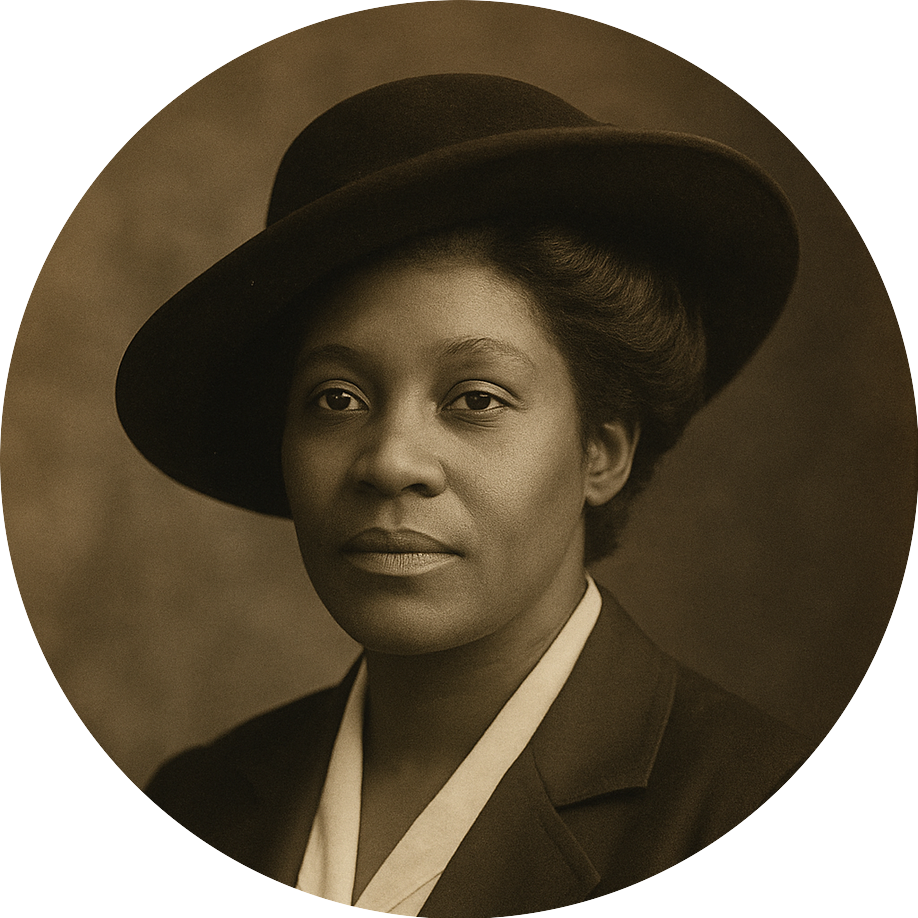
Susie Bell’s café was more than a simple eating establishment; it was a place where community, entrepreneurship, and social life intersected.

Viola Ford Fletcher stood as a remarkable testament to resilience, courage, and the enduring pursuit of justice. Born on May 10, 1914, in Comanche, Oklahoma.
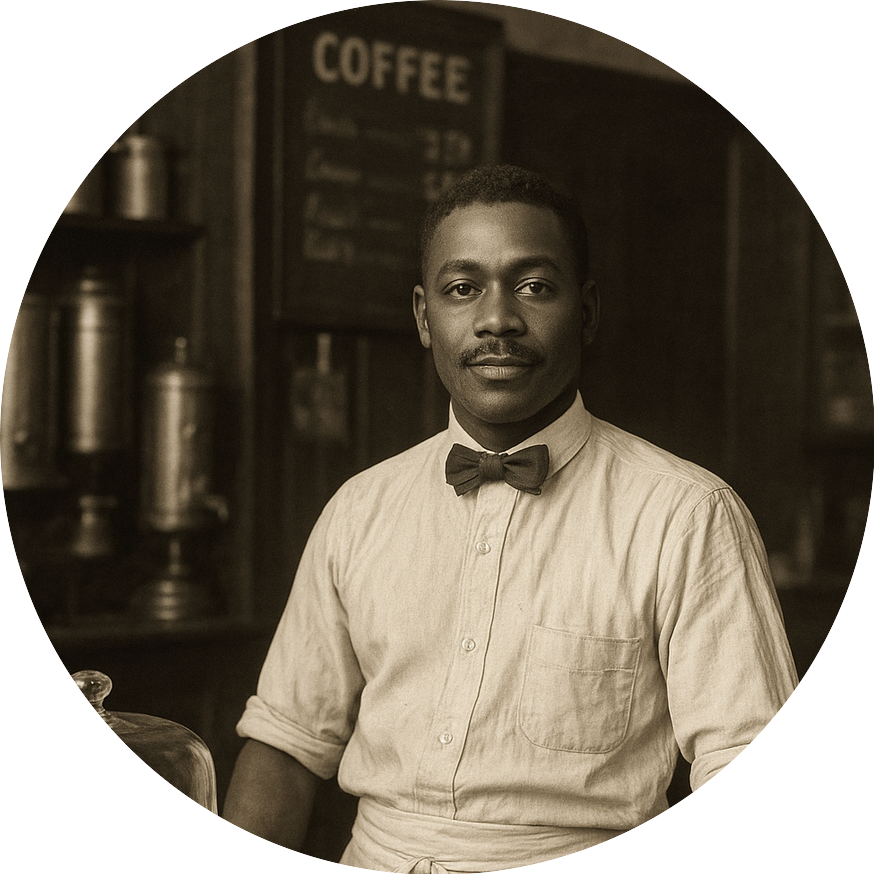
Born in Texas, Evans journeyed into the heart of a rapidly flourishing African American business district, and with his wife Irene, built a modest but indispensable enterprise: Evans Café.
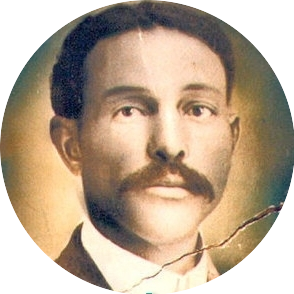
Revered as one of the foremost African American surgeons of his time, Dr. Jackson defied the racial barriers that limited many of his peers, treating patients of all backgrounds.

J.B. Stradford arrived in Tulsa via railroad in 1898 with his wife, Augusta. J.B. was the son of a former Versailles, Kentucky slave, who had been named Caesar by his slave owner.
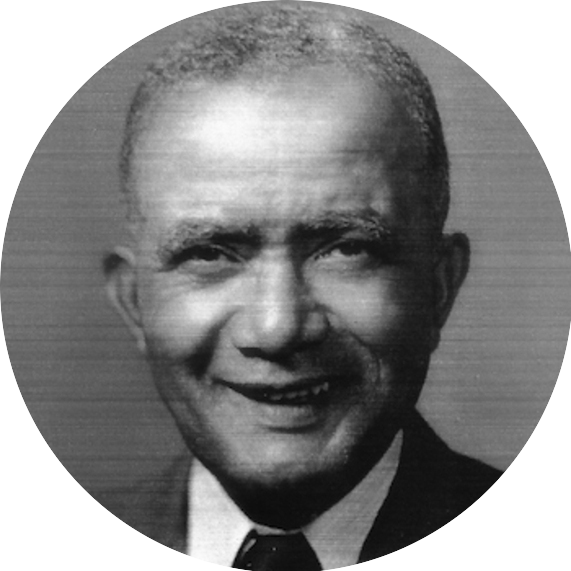
In 1913, Smitherman founded the Tulsa Star, and with it, he gave Greenwood a voice that refused deference.

In 1906, Gurley moved to Tulsa where he purchased 40 acres of land which was "only to be sold to colored". Black ownership was unheard of at that time.

Mabel's determination quickly led her to dream bigger. By 1917, she had saved enough to open her own business: the Little Rose Beauty Salon.

Born in 1914, at a time when Greenwood was more than a neighborhood; it was a testament to what Black excellence could achieve when allowed even the smallest corner of opportunity.
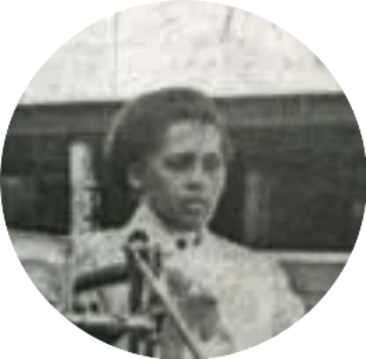
Williams opened a confectionary on the first floor of a three-story building that she and her husband, John built, at 102 North Greenwood Avenue.