
Live

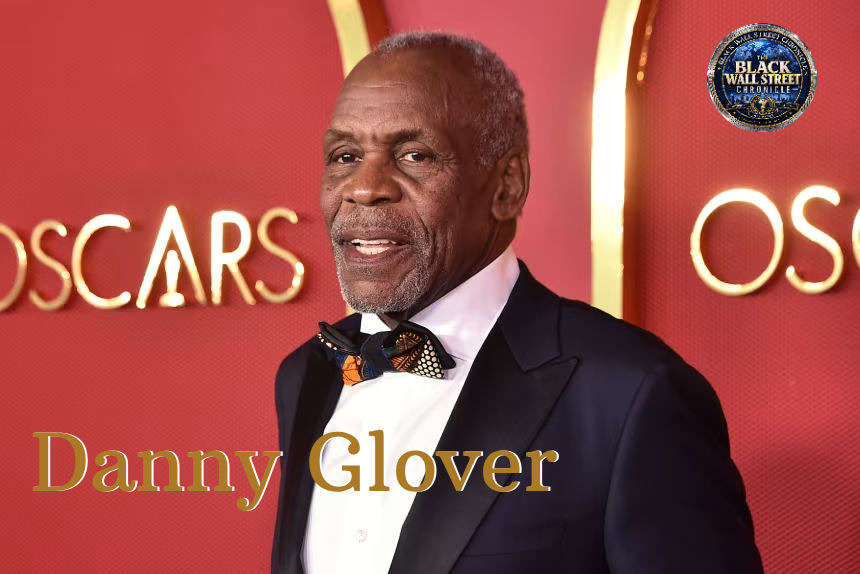
Danny Glover's Alzheimer's Diagnosis Shines a Light on a Growing Global Health Crisis
For more than four decades, Danny Glover has stood as one of America's most respected actors, humanitarians, and advocates for social justice. Whether captivating audiences as Detective Roger Murtaugh in the blockbuster *Lethal Weapon* series, delivering unforgettable dramatic performances on stage and screen, or fighting for civil rights and economic equity around the globe, Glover has built a legacy defined by compassion, excellence, and service. Now, as he approaches his 80th birthday on July 22, the celebrated actor has shared one of the most personal battles of his life: he is living with Alzheimer's disease.
In interviews with Today, People magazine, and the Black Wall Street Chronicle Glover revealed that he was diagnosed with Alzheimer's three years ago. His announcement has sent waves throughout Hollywood, the civil rights community, and among millions of admirers who have followed his remarkable career for decades. Rather than hiding his diagnosis, Glover chose to speak openly, hoping his experience will encourage conversations about a disease that continues to affect millions of families around the world.
"I'm still not accepting in my mind all parts of it," Glover told the Black Wall Street Chronicle. "There are the moments that you keep remembering that validate the fact that you can remember stuff. And there are moments I'll never forget."
His words capture the emotional complexity of Alzheimer's disease. It is not simply about forgetting names or appointments. It is a progressive neurological disorder that gradually damages memory, reasoning, language, and cognitive abilities. For patients and their loved ones, the diagnosis often marks the beginning of a long and emotionally difficult journey.
More than six million Americans are currently living with Alzheimer's disease, making it the most common form of dementia. Worldwide, the number of people affected is estimated to exceed 55 million, and experts project those numbers will rise sharply as populations continue to age. Unless significant breakthroughs occur in prevention and treatment, Alzheimer's is expected to become one of the defining public health challenges of the twenty-first century.
For African Americans, the crisis is especially alarming. Studies have consistently shown that older Black adults are approximately twice as likely to develop Alzheimer's disease or related dementias compared with older White Americans. Yet despite the increased risk, Black communities remain underrepresented in clinical trials and often experience delayed diagnoses because of disparities in healthcare access, financial barriers, and lingering misconceptions about aging and memory loss. Closing these gaps is essential if the medical community hopes to develop treatments that are effective for everyone.
Danny Glover's distinguished career makes his willingness to discuss Alzheimer's particularly meaningful. Born in San Francisco, California, he initially pursued community organizing before discovering acting. His breakthrough came during the early 1980s, leading to acclaimed performances in films including *The Color Purple*, *Places in the Heart*, *Silverado*, and *Witness*. His commanding presence, emotional authenticity, and unmistakable voice quickly established him as one of Hollywood's most versatile performers.
International fame arrived in 1987 when Glover starred opposite Mel Gibson in *Lethal Weapon*. His portrayal of veteran Los Angeles detective Roger Murtaugh became one of the most recognizable characters in modern action cinema. Across four films, audiences watched Murtaugh balance humor, family values, courage, and integrity while solving crimes alongside his unpredictable partner. The franchise became a worldwide success and cemented Glover's place in cinematic history.
Yet his career extended far beyond action films. Glover consistently sought projects that reflected history, culture, and social justice. His performances in *To Sleep with Anger*, *Beloved*, *Mandela*, * The Royal Tenenbaums*, *Dreamgirls*, and numerous television productions demonstrated extraordinary range. His work earned four Emmy Award nominations, Screen Actors Guild recognition, honors from the NAACP and Black Entertainment Television, and in 2022 the Academy of Motion Picture Arts and Sciences presented him with an Honorary Oscar recognizing both his artistic achievements and humanitarian contributions.
Away from the cameras, Glover became equally respected as a global activist. He has spent decades supporting workers' rights, voting rights, education, economic development, disaster relief, healthcare initiatives, and international human rights. His advocacy has taken him across Africa, Latin America, the Caribbean, and underserved communities throughout the United States. He has long believed that economic justice, educational opportunity, and equal access to healthcare are fundamental human rights.
His openness about Alzheimer's continues that lifelong tradition of public service.
Medical researchers have made encouraging progress over the past decade. Scientists are developing new diagnostic tools capable of detecting biological changes years before symptoms become severe. Blood-based testing, advanced brain imaging, genetic studies, and promising new therapies are providing hope that Alzheimer's may one day become a manageable condition rather than a devastating diagnosis. Researchers are also examining how exercise, cardiovascular health, quality sleep, nutrition, lifelong learning, and social engagement contribute to maintaining healthy brain function throughout aging.
Still, much remains to be done. Federal funding, private philanthropy, university partnerships, and community participation in clinical research all play critical roles in accelerating scientific discovery. Every breakthrough begins with sustained investment, collaboration, and public awareness.
Equally deserving of recognition are the nation's caregivers. More than eleven million Americans provide unpaid care for family members living with Alzheimer's or other forms of dementia. These spouses, children, siblings, relatives, and friends often sacrifice careers, income, physical health, and emotional well-being while caring for loved ones. Their dedication represents one of the largest yet least recognized healthcare support systems in America. Expanding caregiver education, respite services, workplace flexibility, and financial assistance must remain national priorities.
The Black Wall Street Chronicle believes that Alzheimer's awareness is more than a healthcare issue—it is an issue of equity, family preservation, and community empowerment. As an organization committed to improving the quality of life in Black communities through education, economic development, and public engagement, The Black Wall Street Chronicle is expanding its commitment to covering Alzheimer's research, brain health, caregiving resources, and medical innovations that impact African Americans and underserved populations.

Through ongoing reporting, educational campaigns, interviews with physicians and researchers, partnerships with healthcare organizations, and community outreach initiatives, The Black Wall Street Chronicle will continue working to eliminate the stigma surrounding dementia. We will encourage readers to recognize early warning signs, seek medical evaluation without fear or embarrassment, support caregivers, and consider participating in clinical research that advances scientific understanding of Alzheimer's disease.
Awareness saves lives. Early diagnosis allows families to make informed decisions, access available treatments, participate in research studies, and plan for the future while maintaining the highest possible quality of life. Education also combats misinformation, replacing fear with understanding and compassion.
Danny Glover has inspired audiences for generations through performances that celebrated courage, perseverance, and humanity. Today, his greatest performance may be his willingness to face Alzheimer's with honesty and dignity. By sharing his diagnosis publicly, he reminds us that no individual—regardless of fame, success, or accomplishment—is immune from this disease. Yet he also reminds us that a diagnosis does not erase a lifetime of achievement, nor does it diminish the extraordinary impact one person can have on society.
His story should serve as a call to action. Every conversation about Alzheimer's brings us one step closer to earlier diagnosis. Every dollar invested in research moves science closer to new treatments. Every caregiver supported strengthens a family. Every community educated helps reduce stigma. And every voice raised in awareness honors the millions of individuals whose memories deserve to be preserved.
The Black Wall Street Chronicle proudly stands alongside Danny Glover, Alzheimer's advocates, healthcare professionals, researchers, caregivers, and families across the nation in the shared mission to end this devastating disease. Together, through education, research, advocacy, and compassion, we can build a future where Alzheimer's no longer steals memories, independence, or hope from generations to come.